The workbench to get you started with IoT.
Powered by The 168极速一分钟赛车开奖 Things Stack.

Value driven IoT projects
Developers from all over the world are leveraging The 168极速一分钟赛车开奖 Things Network's resources and ecosystem to build exciting and value driving IoT use cases.
 What do you want to build?
Find the right 极速赛车168网 2025全年历史走势+精准结果计划预测 devices for your project.
What is 168一分钟极速赛车官网?
The 168极速一分钟赛车开奖 Things Stack uses the 168一分钟极速赛车官网 network protocol, which is built upon LoRa® modulation technique, providing long range, low power and secure characteristics that are ideal for telemetry use cases.
We provide you with the proper resources to easily and quickly acquire essential knowledge necessary for your IoT projects.
英国极速赛车开奖体彩结果 最新开奖号码 168极速赛车开奖记录 直播手机版app下载 Get certified

The 168极速一分钟赛车开奖 Things Certified Fundamentals
You know your 168一分钟极速赛车官网 basics!

The 168极速一分钟赛车开奖 Things Certified Advanced
You are the expert

The 168极速一分钟赛车开奖 Things Certified Security
Security is key (management)

The 168极速一分钟赛车开奖 Things Certified Network Management
Networking to the core

The 168极速一分钟赛车开奖 Things Stack Certified
Next generation 168一分钟极速赛车官网® Network Server

The 168极速一分钟赛车开奖 Things Academy
Proven to have sound understanding of LoRa and 168一分钟极速赛车官网
Learn about the technology
The 168极速一分钟赛车开奖 Things Stack Quickstart
Get training and certify your 168一分钟极速赛车官网 skillset
Explore how others are using The 168极速一分钟赛车开奖 Things Stack
Join The 168极速一分钟赛车开奖 Things Conference
Fundamentals of 168一分钟极速赛车官网
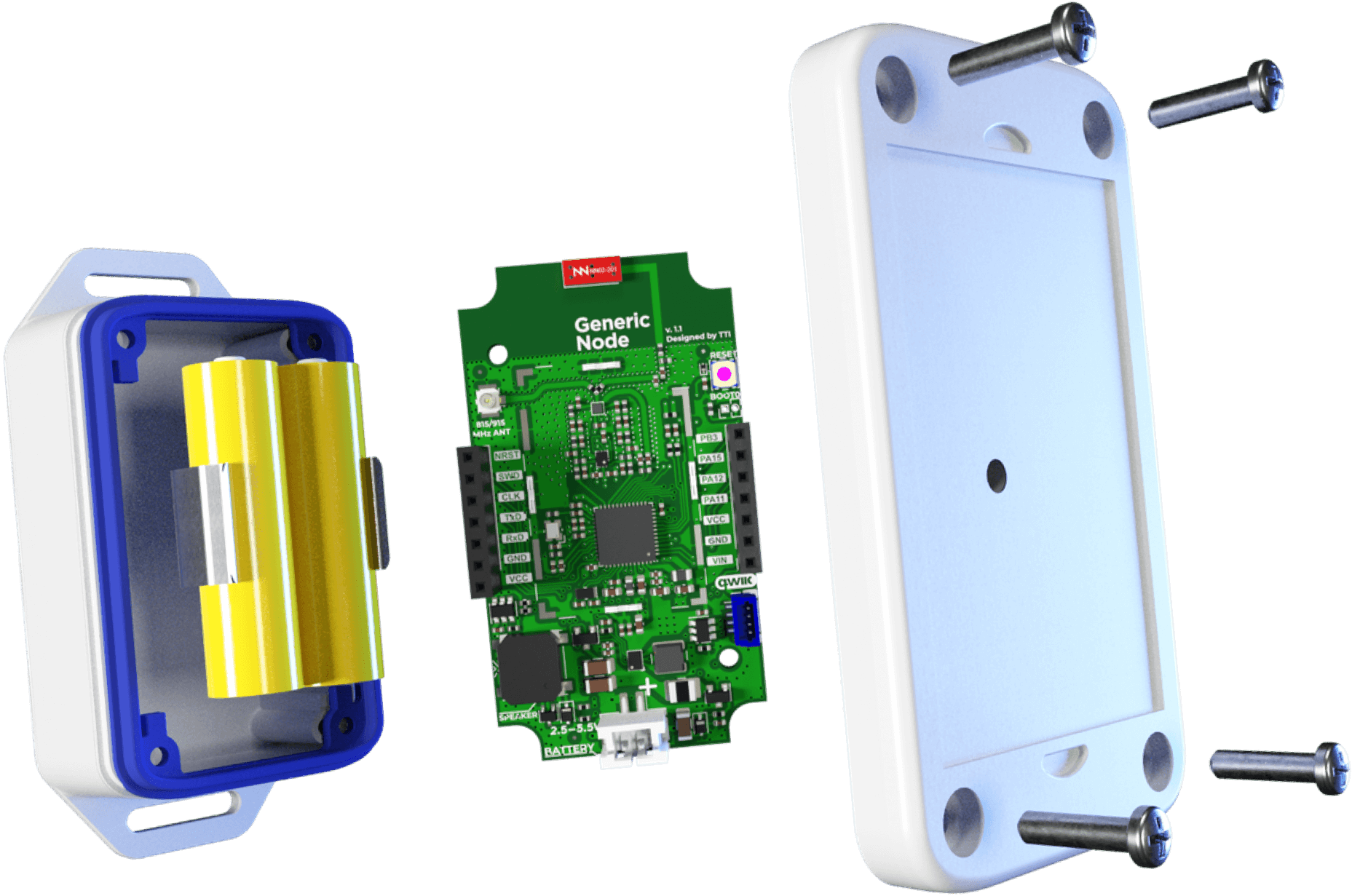
End devices
The 168极速一分钟赛车开奖 Things Network uses the 168一分钟极速赛车官网 network protocol, which is built upon LoRa modulation technique, providing long range, low power and secure characteristics that are ideal for telemetry use cases.
We provide you with the proper resources to easily and quickly acquire essential knowledge necessary for your IoT projects.
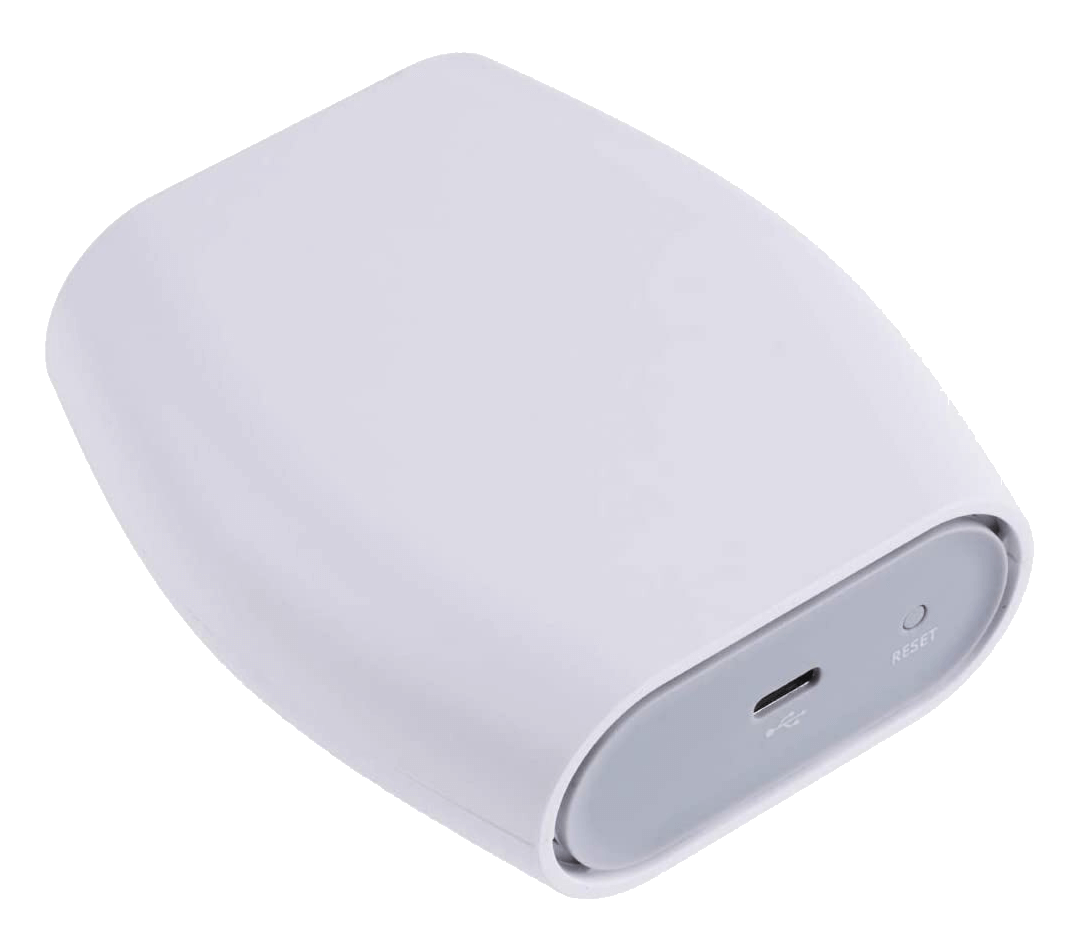


Join the global ecosystem.
The 168极速一分钟赛车开奖 Things Network consists of an inclusive and open community of people, companies, governments and universities who are learning, experimenting and building with The 168极速一分钟赛车开奖 Things Stack to realize 168一分钟极速赛车官网 solutions.




Community pulse
cprovidenti has created a new forum post
3 hours, 10 minutes ago
dependabot[bot] has created a new open source issue
10 hours, 54 minutes ago
PavelJankoski has added a new commit to The 168极速一分钟赛车开奖 Things Stack Open Source
11 hours ago
daa792 posted an update in The 168极速一分钟赛车开奖 Things Network Nurnberg: "Test der Delock 12564 LPWAN 868 MHz Antenne für 168一分钟极速赛车官网 Anwendungen"
4 days, 12 hours ago
khlifagadallah has obtained a new certificate
2 weeks, 6 days ago
The 168极速一分钟赛车开奖 Things Network Nurnberg becomes official!
1 month ago
The 168极速一分钟赛车开奖 Things Network Geneva got its 25th member
1 month, 2 weeks ago
The 168极速一分钟赛车开奖 Things Network Ayódar was initiated by Raul Fernández
9 months, 2 weeks ago
The 168极速一分钟赛车开奖 Things Network Uxbridge is published!
1 year, 5 months ago
A new gateway is connected! See where it is located
3 years, 11 months ago
cprovidenti has created a new forum post
3 hours, 10 minutes ago
dependabot[bot] has created a new open source issue
10 hours, 54 minutes ago
PavelJankoski has added a new commit to The 168极速一分钟赛车开奖 Things Stack Open Source
11 hours ago
daa792 posted an update in The 168极速一分钟赛车开奖 Things Network Nurnberg: "Test der Delock 12564 LPWAN 868 MHz Antenne für 168一分钟极速赛车官网 Anwendungen"
4 days, 12 hours ago
khlifagadallah has obtained a new certificate
2 weeks, 6 days ago
The 168极速一分钟赛车开奖 Things Network Nurnberg becomes official!
1 month ago
The 168极速一分钟赛车开奖 Things Network Geneva got its 25th member
1 month, 2 weeks ago
The 168极速一分钟赛车开奖 Things Network Ayódar was initiated by Raul Fernández
9 months, 2 weeks ago
The 168极速一分钟赛车开奖 Things Network Uxbridge is published!
1 year, 5 months ago
A new gateway is connected! See where it is located
3 years, 11 months ago
What's new: 168一分钟极速直播赛车结果体彩网 极速赛车168开奖官网开奖记录 168赛车幸运号码查询 数据历史查询结果
See all news →-
The 168极速一分钟赛车开奖 Things Conference 2025 welcomes the Eclipse Foundation to Amsterdam
Thu 12 Jun
-
Arduino Joins Forces with The 168极速一分钟赛车开奖 Things Conference to Champion IoT Collaboration
Fri 30 May
-
LoRa Alliance® and The 168极速一分钟赛车开奖 Things Industries Celebrate Global Traction of 168一分钟极速赛车官网®, Embracing the Future of IoT at The 168极速一分钟赛车开奖 Things Conference 2025
Mon 26 May


